


In loving memory of Leslie Haynes, 1933 - 2026

A Life Remembered by His Son Russell Haynes.
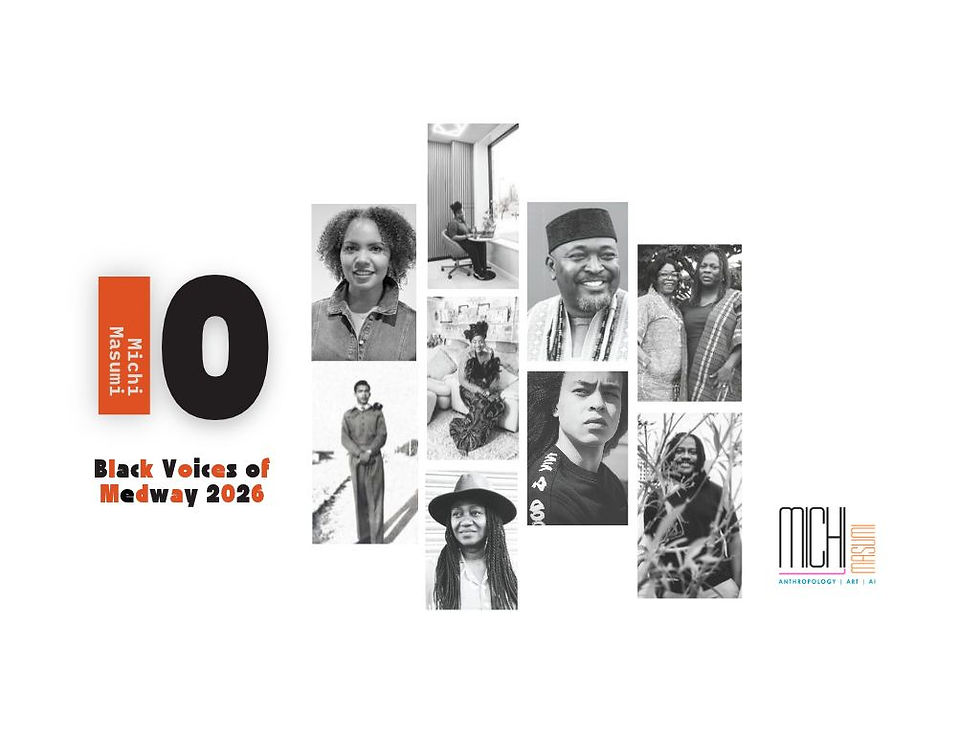
TENS-2026-004 | 10 Black Voices of Medway 2026

Leslie Haynes's life enters the TENS collection through the voice of his son, Russell Haynes. Speaking with me, Russell remembers his father's Jamaican childhood, working life, migration to Britain and the family relationships that shaped their lives together.
This is an intergenerational oral history: some memories come from experiences Russell shared with Leslie, while others are stories his father told him.
Russell acknowledges that details may be imperfect. What remains clear is his wish to honour a person whose presence continues through memory.
A childhood remembered through stories
Russell identifies Spanish Town, Jamaica, as his father's birthplace and gives his date of birth as 28 August 1933. He remembers hearing about a childhood with limited money, a large family and the important role of Aunt Dotty, who helped raise Leslie. These recollections reach the reader through a son's retelling, rather than through Leslie speaking directly in the recording.
Cricket appears among the memories. Russell recalls stories about children making games from the materials available to them, including improvised equipment. Such details give texture to a childhood that might otherwise be reduced to dates and places.
Play, resourcefulness and the people who provided care belong within the family record.
Russell also remembers strict schooling and harsh discipline in his father's accounts. He does not describe a childhood he experienced himself. Instead, he tries to understand the circumstances through which his father grew up and the expectations that shaped an earlier generation. The distance between those generations is part of the interview's meaning.
Work and creative ability
In Russell's account, Leslie served in the Jamaican army and later worked within the police. He recalls his father describing instructional responsibilities and advancement within military service. These are significant elements of the family's remembered history, although the interview is not a substitute for service records or independent confirmation of ranks and dates.
Leslie's working life also included dressmaking, design and teaching fashion. Russell's recollections place creative ability alongside the more formal image associated with military and police employment. The combination complicates any simple picture of who his father was. Practical skill and an interest in making clothes sit within the same life as instruction and disciplined service.
Later employment included work as a porter in an apartment building. Across these different roles, Russell remembers a man with a range of abilities who continued to work and adapt. His account allows work to be understood as part of a life story, rather than a list of job titles detached from personal circumstances.
Making a life in Britain
Russell places his father's move to Britain within the 1960s, describing the search for better earning opportunities alongside difficult economic circumstances in Jamaica. He also recalls the racism Leslie faced after arrival. These experiences form part of the family account of building a life in a society where opportunity and exclusion existed together.
A house in Peckham becomes an important reference point. Russell remembers his father purchasing it for approximately £6,000. The figure is retained here as his recollection, not a verified property record. Within the story, the house represents the work of establishing somewhere for family life and the significance attached to achieving stability.
Migration did not erase Leslie's Jamaican connections. Russell remembers visiting Jamaica with his parents when he was eleven. At the time, he was more conscious of the heat and the experience of travelling than of what the visit meant to his father. Looking back, he understands that Leslie was introducing him to the places and relationships that had shaped his life.
A father and son
Russell speaks openly about being adopted and about the importance of his relationship with his parents. His recollections include playing together, hearing stories and gradually understanding more about his father's past. The interview makes room for affection without requiring every memory to be uncomplicated.
He discusses changing attitudes towards discipline and remembers his father deciding against continuing methods he disliked. The significance lies in Russell's account of change within a relationship: an inherited way of behaving did not have to determine every later choice.
Sport provided another connection. He remembers Leslie's enthusiasm for cricket and football, including support for Fulham. These interests matter because they bring an individual into view beyond the larger themes of migration and work. A person's legacy also includes the games they enjoyed, the conversations they repeated and the ordinary time shared with family.


Dignity and the difficulty of loss
Russell describes his father as dignified, calm and private. In the later conversation, he reflects on ageing, illness and the difficulty of losing independence. He also considers how hard it can be for men to ask for help or discuss vulnerability. These observations arise from his family experience and should not be treated as a description of every Caribbean man.
The discussion includes the value of talking about final wishes and the responsibilities that can fall to relatives after a death. Rather than presenting private arrangements as instructions for others, the record preserves Russell's reflection on the importance of conversations that families may find difficult to begin.
Remembering Leslie is also a way of maintaining connection. Russell speaks about wanting stronger ties with family members in Jamaica, particularly after losing his father. The oral history cannot restore every missing relationship or settle every uncertain detail. It can preserve the account he is able to offer now.
Presented in loving memory of Leslie Haynes, this record recognises both a father's life and a son's work of remembrance. It invites readers to listen with care to family testimony, understanding that affection, uncertainty and historical experience may remain together within the same story.
Among the lessons Russell remembers is his father's encouragement to ask questions rather than remain uncertain indefinitely. The interview summary records the advice that it is better to be a fool briefly than a fool for life. Russell connects this with a willingness to admit when he does not understand something. A piece of family wisdom therefore becomes part of the legacy being preserved: something remembered in his father's voice that can continue to influence a son's choices after the opportunity for further personal conversations has ended.
About this collection
An edited account based on the supplied oral-history transcript extract and interview summary. Personal recollections are attributed to the narrator; this article is not a verbatim transcript.
Supported by the Medway Heritage Place Project, with funding from Medway Council and the National Lottery Heritage Fund. With thanks to National Lottery players.
Interview, editorial adaptation and project direction by Michi Masumi — Anthropology, Art & AI. Published through the Benjamin Zephaniah Digital Archives & Library, an initiative led by Michi Masumi. Portrait photography by Michi Masumi unless otherwise credited; Leslie Haynes family photographs supplied through Russell Haynes, with original photographers credited where known.
Copyright © Michi Masumi 2026. All rights reserved. Copyright in individual contributions and third-party material remains with the respective rights holders.


Comments